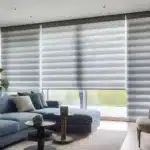

HAs temperatures drop, up to 30% of a home’s heating energy escapes directly through drafty, poorly insulated windows. Taking the time to Prep Your Windows for Fall, like seal, insulate, and upgrade your window treatments before cold weather sets in protects your indoor comfort and significantly lowers seasonal energy bills.
| Insulation Method | Primary Function | Cost & Effort Level | Best For |
| Weatherstripping & Caulk | Seals perimeter air leaks | Low cost; quick DIY project | Gaps around frames and operable sashes |
| Thermal Cellular Shades | Traps air in honeycomb pockets | Medium investment; custom fit | Year-round insulation with sleek aesthetics |
| Heavy Thermal Drapery | Blocks drafts & cold surface glass | Medium-High investment; decorative | Floor-length coverage in bedrooms & living rooms |
| Insulation Window Film | Creates a sealed dead-air barrier | Low cost; seasonal installation | Single-pane or older character windows |
1. Inspect and Seal Air Leaks
ass=”yoast-text-mark”>ta-path-to-node=”5″>Before adding soft furnishings, address structural air leaks around the casing:
-
Replace Worn Weatherstripping: Peel away cracked, brittle rubber or felt strips along the sash tracks and press fresh V-channel or foam tape firmly into place.
-
Re-Caulk the Trim: Inspect exterior and interior window casing for fine gaps. Apply paintable latex caulk indoors and exterior-grade silicone outside to seal air infiltration points.
2. Upgrade to Thermal Window Treatments
The right window coverings serve as your primary defense against radiant cold from glass panes.
-
s=”yoast-text-mark” data-path-to-node=”9,0,0″>a-index-in-node=”0″>Cellular (Honeycomb) Shades: Designed with pockets that trap air, honeycomb shades create a thermal barrier right against the glass, reducing heat loss by up to 40% when fully drawn.
-
Lined Drapery & Layering: Pair inside-mount shades with floor-to-ceiling thermal or velvet drapes. However, ensure drapery extends past the sides of the trim and breaks close to the floor to prevent cool air from cascading down into the room.
3. Quick Seasonal Fixes for Older Windows
a-path-to-node=”11″>If you live in a historic home or have single-pane glass, temporary winterization provides immediate relief:
- =”12″>
-
a-index-in-node=”0″>Shrink-Film Kits: Apply clear plastic film to the interior trim using double-sided tape, then shrink it tight with a hairdryer to form an airtight dead-air space.
-
Draft Stoppers & Magnetic Seals: Place weighted draft snakes along deep sills or apply removable peel-and-stick weather seals for seasonal protection that strips away easily come spring.
Seasonal Maintenance: Caring for Your Window Treatments
a-path-to-node=”15″>Heavy autumn fabrics and thermal treatments accumulate extra dust, moisture, and pet hair when windows stay closed for the season. Proper care keeps your investment performing well and looking fresh throughout the colder months.
-
Dust & Vacuum Regularly: Use the soft brush attachment on your vacuum to clear dust from top-to-bottom on drapery panels, velvet pleats, and honeycomb shade cells. Vacuuming prevents dust from settling deep into heavy thermal weaves.
-
Spot Clean Wisely: For fabric drapery or cellular shades, dab stains immediately with a clean microfiber cloth dampened with mild soap and cold water. However, never rub, as this breaks down delicate fibers and protective blackout backings.
-
a-index-in-node=”0″>Deep Clean Before the Swap: If you rotate lighter summer shears for heavy fall velvet or wool drapes, check the care labels before hanging. However, most heavy lined drapery requires professional dry cleaning to prevent shrinking or damage to thermal linings.
-
Manage Moisture & Condensation: Cold outdoor air hitting warm indoor glass often forms condensation. Keep floor-length drapes drawn slightly back from wet sills during extreme cold snaps to avoid mildew or water staining along the bottom hem.
A Warm, Efficient Home Starts at the Glass
Draft-proofing your windows is one of the most cost-effective seasonal upgrades you can make for your home. However, by sealing structural air gaps, layering insulating window treatments, and keeping your heavy drapery well-maintained, you block out harsh winter weather while maintaining a warm, energy-efficient interior all season long. If you need extra help for the season, schedule a design consultation here.