Washington, D.C., is a city defined by grand architecture, historic estates, and formal entertaining. From the historic mansions of Embassy Row and the stately brick colonials of Spring Valley to the historic townhomes of Georgetown, properties in the District often feature soaring ceilings, expansive windows, and formal dining and reception rooms.
Dressing these spaces requires an aesthetic that matches their architectural importance. A simple, off-the-rack roller shade or standard set of blinds will feel instantly lost in a room designed for grand scale.
To achieve a look that feels authoritative, elegant, and timeless, design professionals turn to the art of layered luxury. However, by combining multiple styles of high-end window coverings, you create a look that offers deep visual volume, precise light control, and an undeniable sense of prestige.
Here is Couvrant’s definitive guide to mastering formal window treatments in your D.C. residence.
1. The Anatomy of a Layered Window Treatment
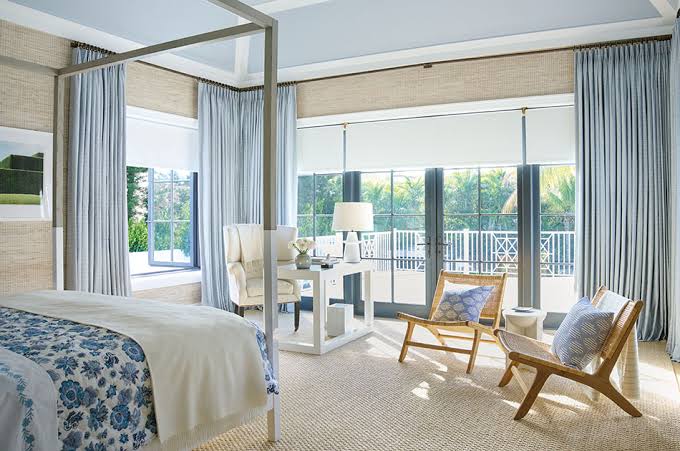
True luxury window design is built in three distinct tiers. Each layer serves a specific structural and functional purpose, working in harmony to frame your windows like a piece of fine art.
-
The Base Layer (The Shield): This is the window treatment that sits closest to the glass. It handles the daily, practical heavy lifting—controlling glare, blocking UV rays from fading antique rugs, and providing privacy from the street. Excellent choices include low-profile solar roller shades, woven wood shades, or premium wood plantation shutters.
-
The Functional Layer (The Drapery): Next come the custom drapery panels. In a formal space, these should be fully functional, traversing draperies rather than stationary panels. They add soft, flowing textile volume to the hard angles of the window frame.
-
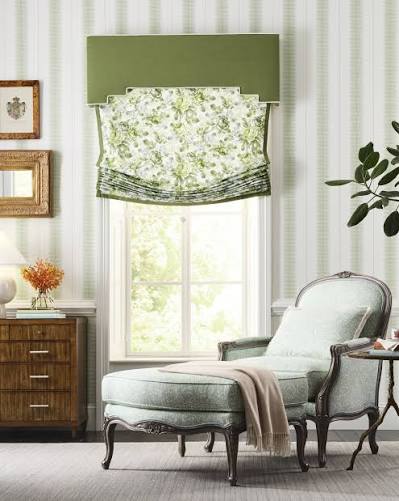
The Architectural Layer (The Crown): To complete a truly formal look, the top of the window treatment is capped with a custom fabric valance, a structured cornice board, or deep architectural crown molding that completely conceals the drapery hardware and tracks.
2. Choosing Diplomatic Materials: Velvet, Silk, and Brocade
In a formal space, fabric choice is everything. Lightweight cottons or casual linens are perfect for a beach house, but a formal D.C. dining room demands textiles with weight, drape, and light-catching texture.
| Fabric Choice | The Visual Impact | Best Used For |
| Heavy Upholstery Velvet | Deep, matte absorption of light; adds incredible warmth and acoustic dampening to echoey rooms with hardwood floors. | Grand, floor-to-ceiling drapery panels in formal parlors or libraries. |
| 100% Dupioni Silk | Features a subtle, organic slub texture with a high-end luster that catches both morning sunlight and evening candlelight beautifully. | Formal dining rooms or embassies where evening hosting is frequent (must be paired with a thick interlining to prevent sun damage). |
| Custom Tailored Brocade or Damask | Features intricate, raised historical patterns woven directly into the fabric, offering a distinctly traditional and European feel. | Traditional historic properties in Georgetown or Kalorama. |
3. The Puddling Guide: Tailoring the Perfect Hem
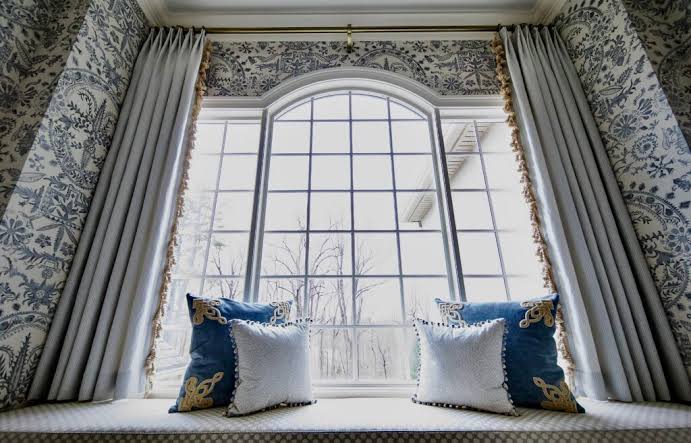
How your custom drapes meet the floor tells a story about the formality of the room. In modern or casual spaces, designers prefer a “float” or a “trouser break.”However, in a truly grand, diplomatic space, we embrace the puddle.
The Designer Rule for Puddling:
Instruct your window installer to cut the drapery panels 2 to 4 inches longer than the actual ceiling-to-floor measurement. This allows the heavy velvet or silk fabric to gather and flare elegantly onto the floor. It mimics the grand drapery styles of 18th-century European palaces, hiding any uneven historical floorboards while adding an instant air of romance and opulence.
4. Architectural Framing: Hide the Hardware
Nothing ruins a custom, high-end look faster than seeing a heavy, modern metal drapery track awkwardly bolted to a plaster ceiling.
In formal design, we build custom architectural window valances or wood cornices that match the room’s existing crown molding exactly. However, the drapery tracks are completely recessed inside this crown structure. When guests look up, the fabric panels appear to emerge seamlessly from the architecture itself, creating a clean, unbroken vertical line that makes your ceilings feel feet taller than they actually are.
5. Modern Diplomacy: Integrating Automation Discretely
Layered luxury may look like classical history, but it should function like the 21st century. Walking around a grand reception room manually tugging on heavy velvet cords is a thing of the past.
At Couvrant, we seamlessly integrate quiet, automated motorized tracks (like Somfy or Lutron) inside the architectural cornices. However, with a single button press on a flush-mounted wall keypad, a smartphone app, or via your smart home hub. Your heavy silk drapes draw shut with absolute precision, closing out the hot July D.C. sun and creating an intimate evening environment for dinner hosting.
Create Your Masterpiece with Couvrant
Formal window design takes confidence, a deep understanding of textile physics, and an eye for architectural proportion. You don’t have to navigate these complex layers alone.
If you are ready to elevate your formal dining room, grand living space, or historic D.C. estate with custom, layered window treatments, the design team at Couvrant is ready to help. We bring our mobile fabric showroom directly to your residence, matching fabric swatches to your exact lighting and wall colors to guarantee a flawless, luxurious result.