In the world of interior design, there is a secret weapon that separates a “finished” room from a “designer” room: Layering.
When it comes to windows, many homeowners settle for a single treatment—either a blind for privacy or a curtain for color. But by combining two different styles, you unlock a new level of depth, functionality, and “Functional Elegance” that a single layer simply cannot match.
Here is why two is officially better than one, and how to master the look in your own home.
1. The Dynamic Duo: Function Meets Fashion
The primary reason to layer is to solve two problems at once. A single treatment often forces you to choose between light control and aesthetics. Layering gives you both.
-
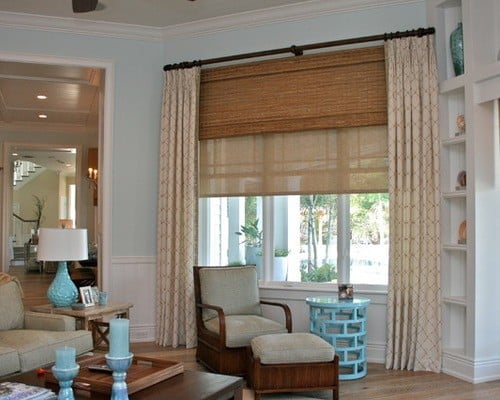
The Base Layer (The Workhorse): This is usually a hard treatment like a roller shade, woven wood blind, or cellular shade. Its job is to manage privacy, block UV rays, and insulate.
-
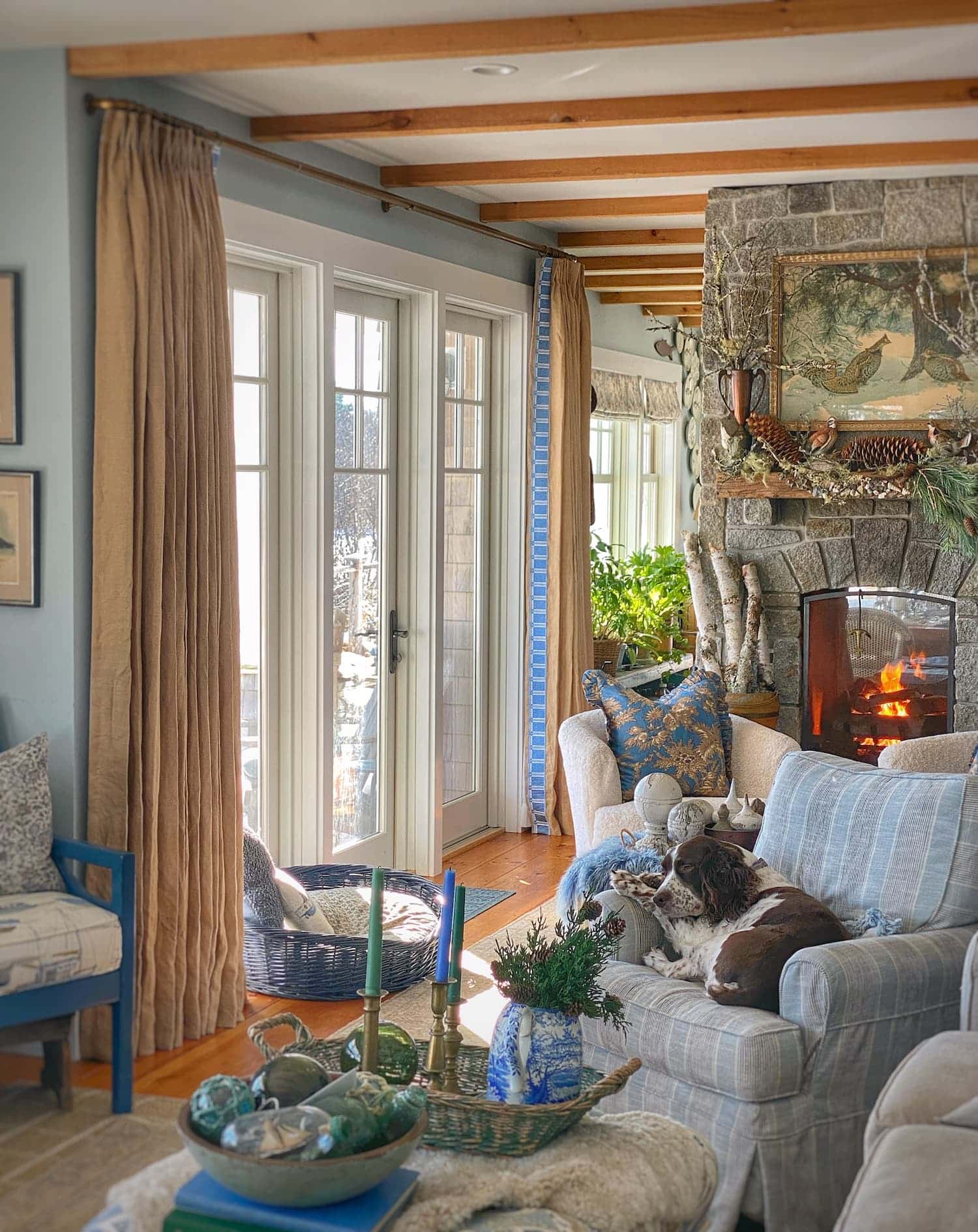
The Top Layer (The Aesthetic): This is the soft treatment—drapes or side panels. This layer adds height, softens the hard edges of the window frame, and introduces texture or pattern to the room.
2. Superior Light & Temperature Control
Layering creates an extra pocket of air between the window and your living space, which acts as a powerful insulator.
-
Summer Cooling: A solar shade combined with light-filtering curtains can block up to 80% of solar heat gain while still allowing a soft, breezy glow to fill the room.
-
Winter Warmth: Pairing a honeycomb shade with heavy, interlined velvet drapes creates a thermal barrier that keeps expensive heat from leaking out of your glass.
3. Visual Drama and Dimension
A window without drapes can often feel “naked” or flat. Layering adds visual weight, making the window feel like a substantial architectural feature rather than just a hole in the wall.
-
The “High and Wide” Trick: By installing your base shade inside the window frame and hanging your drapes “high and wide” (several inches above and outside the frame), you create the illusion of a much larger window and a taller ceiling.


How to Style Your Layers: 3 Winning Combinations
| Combination | Best For… | The Vibe |
| Woven Wood + Linen Sheers | Living Rooms | Organic, airy, and “Boho-Chic.” |
| Blackout Roller + Velvet Drapes | Master Bedrooms | Total darkness and high-end luxury. |
| Cellular Shades + Patterned Panels | Home Offices | Maximum energy efficiency with a pop of personality. |
4. Acoustic Comfort: The “Quiet” Benefit
One of the most overlooked benefits of layering is sound absorption. In urban environments like Washington, D.C., street noise is a constant. Hard surfaces (glass and wood) bounce sound around, creating echoes. Multiple layers of fabric—especially drapes—act as acoustic panels, muffling outside traffic and making your interior feel hushed and intimate.
5. Pro Tip: Don’t Over-Pattern
When layering, the “Golden Rule” is to vary your textures. If your base shade has a lot of texture (like a bamboo blind), keep your drapes a solid color. Conversely, if you have a bold, patterned curtain, use a simple, neutral roller shade underneath. This prevents the window from looking cluttered or overwhelming.
Layering isn’t just about doubling up on fabric, in fact, it’s about creating a versatile, high-performance window that looks as good as it functions. It’s the difference between a house that looks “furnished” and a home that looks “designed.”
To get a free consultation check out our website.