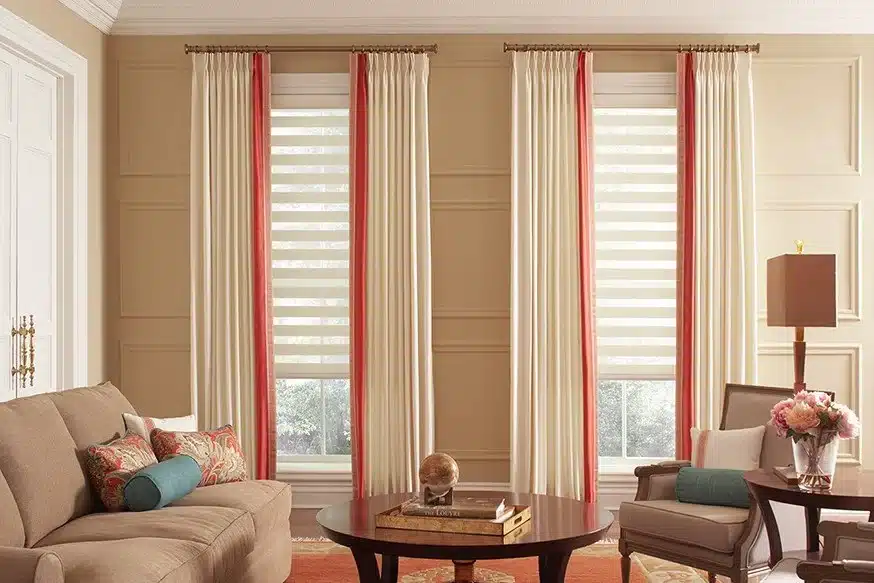
As the temperatures drop and the heating bill starts to climb, your windows become the biggest culprits for heat loss. While they let in natural light, they can also be a significant energy drain. The solution? Investing in high-performance winter window treatments that create a thermal barrier to keep the warmth in and the cold out.
Here are your best options for maximizing comfort and minimizing energy costs this winter.
1. The Undisputed Champion: Cellular (Honeycomb) Shades
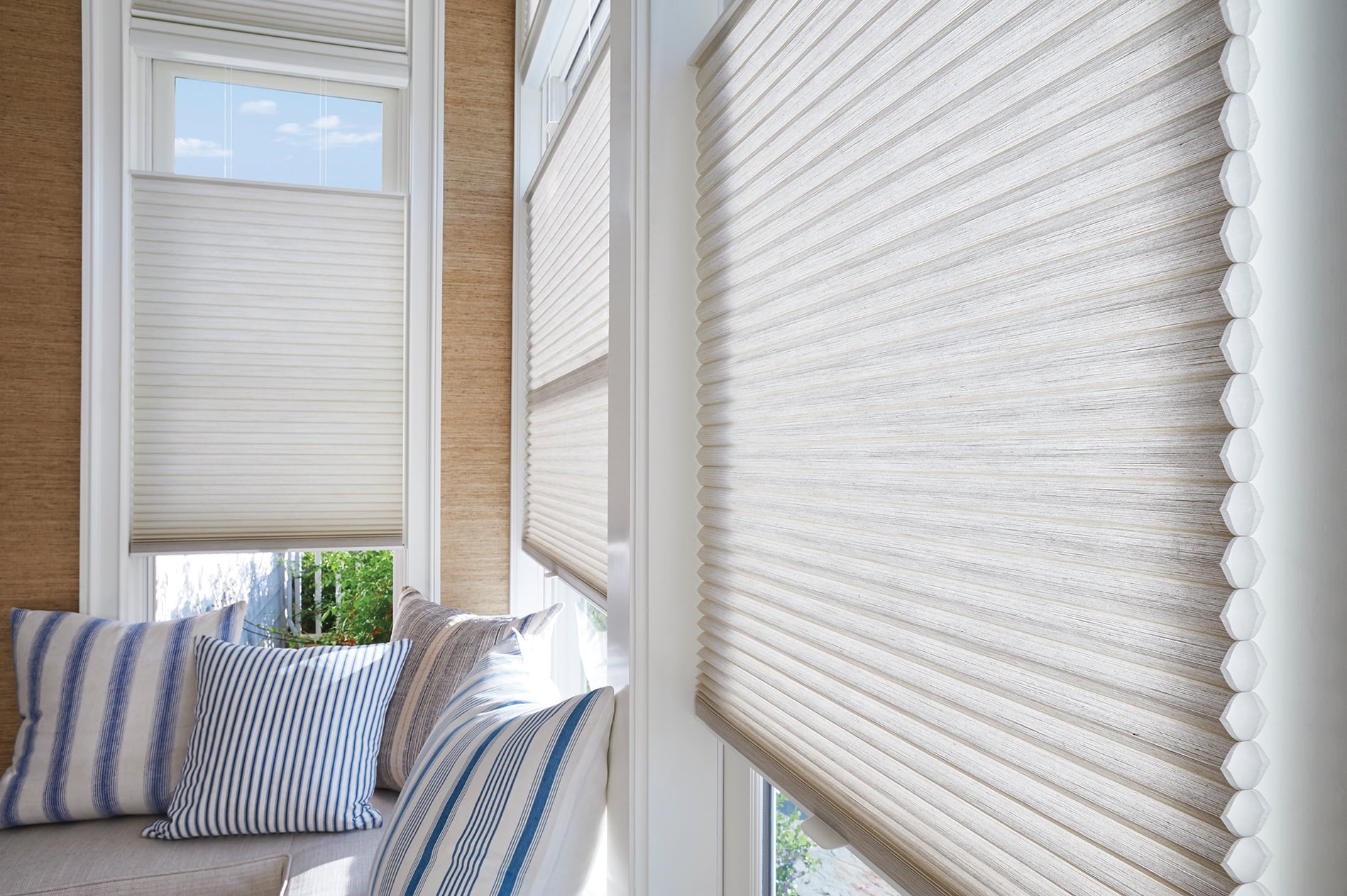
If energy efficiency is your primary goal, cellular shades—also known as honeycomb shades—are your best bet.
How they work: Their unique, accordion-like structure creates pockets of air (the “cells”). These trapped air pockets act as an incredible insulator, significantly slowing down heat transfer.
The R-Value: Cellular shades have a measurable insulation performance called the R-value, typically ranging from R-2.0 to over R-5.0 for specialized designs. The higher the R-value, the better the insulation.
Best for: Maximum energy savings in any room. Look for double-cell or even triple-cell options for the coldest climates.
2. Style Meets Substance: Thermal Roman Shades
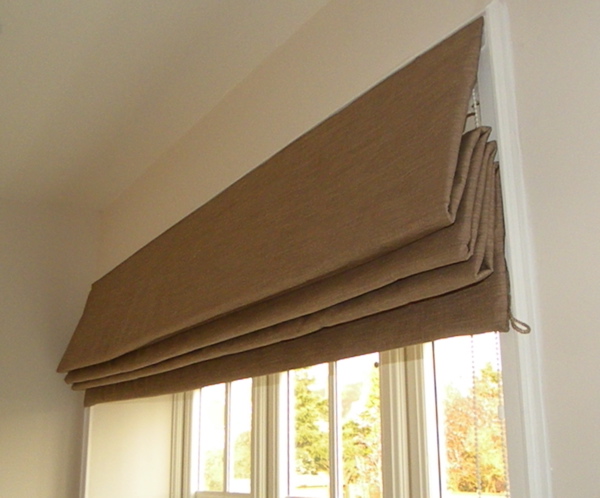
Roman shades offer a classic, elegant aesthetic, and when chosen with the right features, they become effective winter insulators.
How they work: Roman shades are made from thicker, heavier fabric that blocks drafts. For winter, always opt for a model with a thermal lining or blackout liner. This additional layer of material is essential for trapping air and providing a significant boost to insulation.
Best for: Bedrooms and living areas where you want a custom, tailored look that provides superior light control and insulation.
Tip: When fully lowered, the fabric folds create extra air pockets, which further enhances their thermal capabilities.
3. The Layering Solution: Heavy Curtains and Drapes
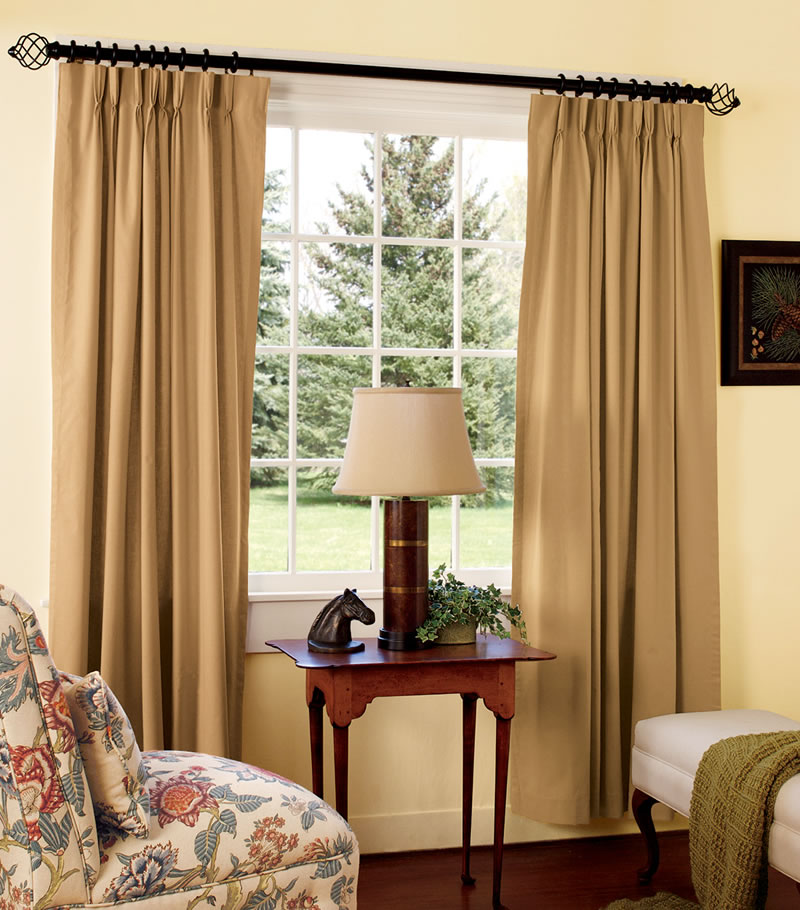
For classic style and maximum insulating power, a set of heavy-duty curtains or drapes is a timeless choice.
How they work: A thick, heavy fabric—such as velvet, suede, or lined cotton—acts as a heavy blanket over the window. To be most effective, look for curtains that are lined with a thermal or blackout material and that extend beyond the window frame, hanging close to the wall or floor. This helps seal the edges and prevent warm air from escaping (convection).
Best for: Layering! Combine them with a less-insulating blind (like a sheer roller shade) to gain maximum flexibility. Close the drapes at night for heat retention and open them during the day to allow for passive solar heating.
4. Durable Draft Blockers: Plantation Shutters

While they may not look soft and cozy, plantation shutters are an excellent, durable option for winter insulation.
How they work: Shutters fit tightly against the window frame, minimizing the gaps that allow drafts and air leakage. When the louvers close, the solid material and tight fit create a robust, solid barrier that helps retain internal heat.
Best for: Homeowners who prioritize durability, easy maintenance, and a classic, structured look. They provide excellent light control by simply adjusting the louvers.
Maximizing Your Winter Window Treatment Performance
Choosing the right product is only half the battle. Follow these tips to get the most energy savings:
Ensure a Snug Fit: Whether you choose an inside or outside mount, the treatment should fit as snugly as possible to the window frame to minimize air gaps.
Layering is Key: Combine two treatments (e.g., a cellular shade with heavy drapes) for a powerful, multi-layered insulation system.
Automate for Efficiency: Consider motorized shades and set them on a timer to close automatically at sunset and open at sunrise. This ensures you trap heat during the coldest hours and utilize solar heat when the sun is out.
Ready to start enjoying a warmer, cozier, and more energy-efficient home this winter? Contact us for extra support.